
Nour Sokhon creates soundscapes based on the migration stories of Lebanese people. A conversation about migration, community, and the beauty of interdisciplinarity.
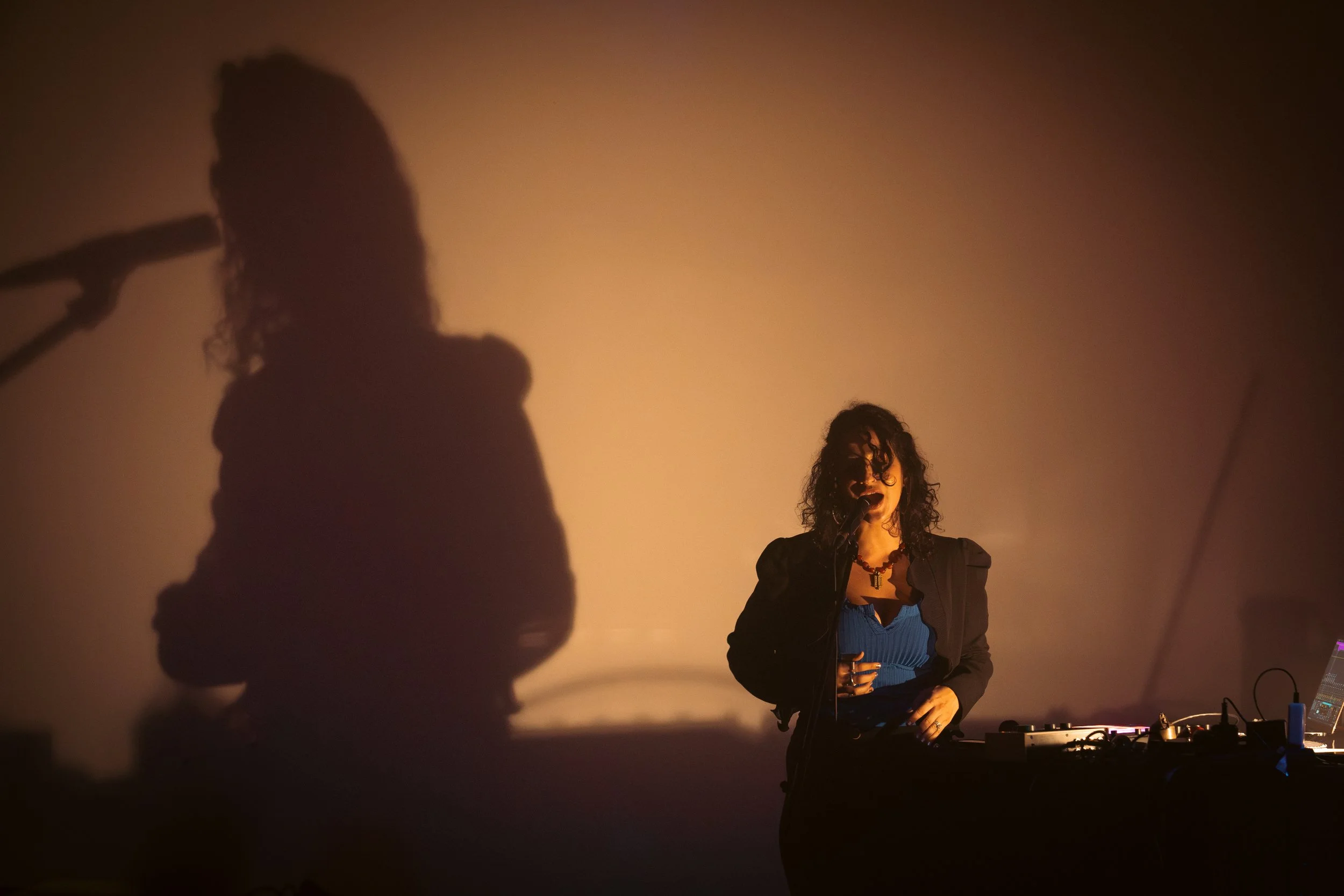
Nour Sokhon at a performance © Daria Susak
We meet Nour Sokhon in a small courtyard in Vienna's fifth district. The artist from Beirut, Lebanon, welcomes us to the studio of her artist residency at ‘kulturen in bewegung’ and philomena+. It is very quiet in the courtyard, too quiet for Nour, as she will tell us.
Bohema: Nour, What is it that moves you these days?
Nour Sokhon: People stories is what constantly moves me, giving space for them and using myself as a vessel to transport their narratives into an artistic context. During my time here I was able to do this by working on a performance installation called “Do you hear the Silence?” with Joanna Zabielska.
Author’s note: “Do you hear the Silence?” was an installation by Nour Sokhon and Joanna Zabielska in which the two artists confronted visitors with complete silence inside an inflatable sculpture – and then engaged them in dialogue. Together, they reflected on the meaning of silence and the forms in which it occurs. Sometimes silence is protest, sometimes it expresses acceptance – but it is never without context and meaning.
Interviews have long been the material from which Nour shapes her compositions – the conversations are the sound cells and motifs for her musical performances. At the end of the process, intense, painful pieces emerge, which are presented live to the audience.
Bohema: How would you describe the art that you do to somebody who's never heard of your work?
Nour Sokhon: My work explores methods of preserving collective memory through actively listening to the world around me and most importantly to people stories that are often left unheard or are silenced. It is also tied to experiences of migration and raises questions such as: what does it mean to constantly redefine one's identity?"
B: What’s your process of transforming memory into something material?
NS: I primarily use oral history, recording interviews as an instrument or a tool to archive memory. My work is mainly time based or ephemeral, as the stories are presented in a performative setting, an audio recording, an installation or a moving image work. Artworks for me are living organisms, I see my work as something that is constantly growing and redefining itself, similar to my relationship with my identity.
B: Would you say that through your work you try to keep society talking about certain issues?
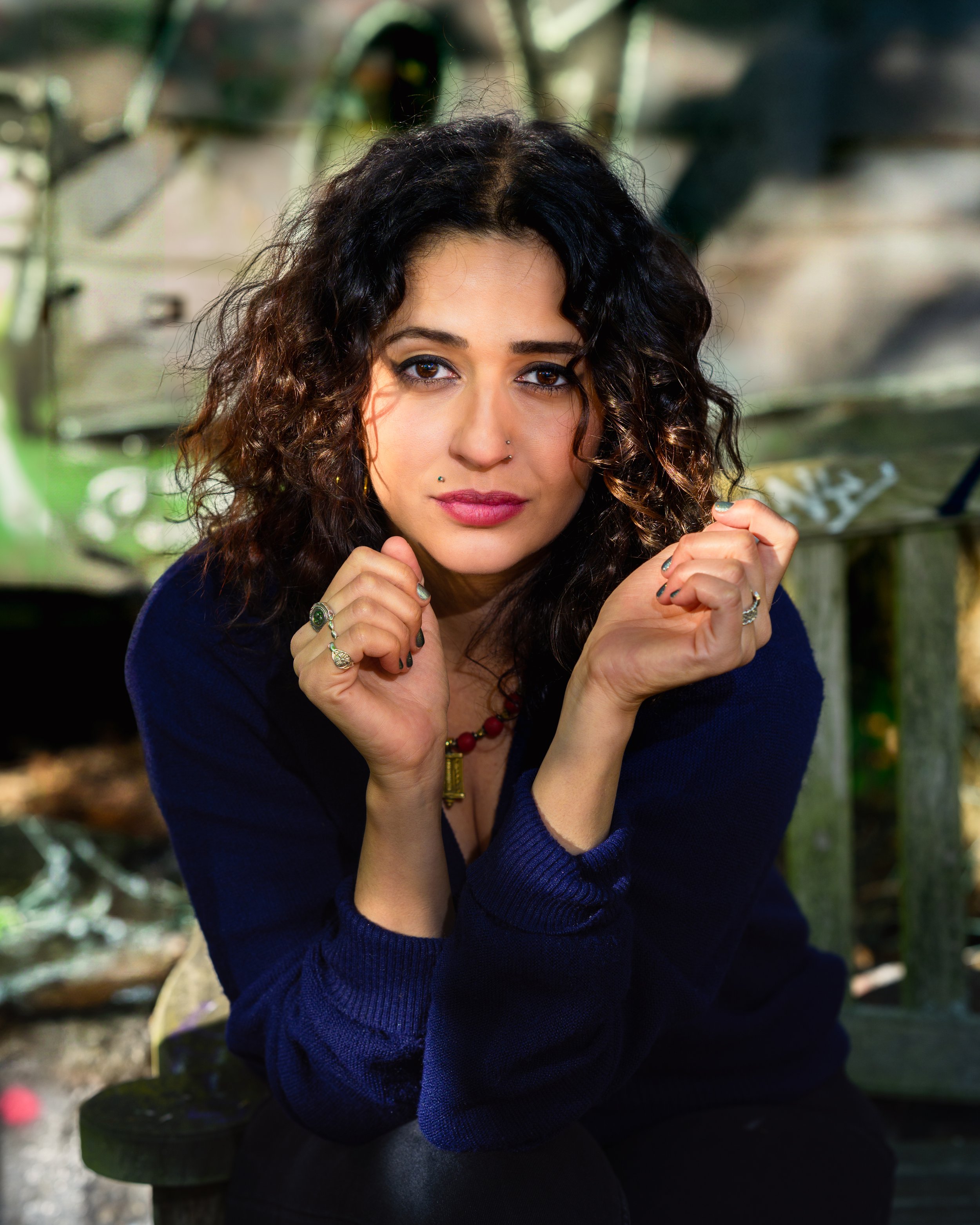
Nour Sokhon. /// © Jerzy Goliszewski
NS: Yeah. I mean, it's like journalism. If there was artistic journalism, you can say I can put myself in that category. In my works I ask questions like , how can I turn an interview into a sonic album? Beirut Birds was the test for that because it's not something that's frequently done. I had this weird idea, I asked myself how I can get people to listen to this story and and somehow transform into a religious mantra or song. I wanted to find a way to make the stories stick to the listeners mind, almost like how we tend to remember lyrics to a pop song easily. Because these stories are intimate, real and personal, they are not fiction.
Author’s note: You can tell that Nour is talking about circumstances that are very important to her. One thing becomes clear again and again: she wants to give a voice to those who are too often unheard. In her case, these are the many migrants – people who are talked about endlessly, but too rarely with them. With her concept of artistic journalism, Nour puts her finger on a raw nerve. Her work is radically productive. The unsaid, the unseen – these are the elements she works with.
B: Journalism and migration discourse are highly political topics. Do you think there is a recurring theme in mainstream journalism when it comes to migration and what's your viewpoint on this topic?
NS: Misinformation in the media is widespread globally, and it’s important that we each engage with it critically. Where I come from, community plays a vital role in the retelling of stories, passed down from one generation to the next. As much of the region’s physical history disappears, I focus on keeping its stories alive through oral transmission. As an artist, I aim to highlight the human side of migration.
Author’s note: Nour has processed the feelings she associates with Beirut in her album Beirut Birds. The album is a musical journey to the Lebanese capital and a tribute to the people Nour had to leave behind when she came to Germany.
B: What's the meaning of community for you?
NS: It’s having a network of people I can feel safe around and trust. As it is vital for me to know that I am a part of something bigger, to be able to support them during challenging times, to be present for moments of happiness and celebration. I feel blessed to be a part of several as without this network of support and care, I would feel quite empty.
Author’s note: “My wish is easy but hard: to achieve justice” – with these words, Nour Sokhon concluded one of her performances at the echoraum in Vienna’s 15th district in mid-June. Her musical performance was contrasted with recordings from Beirut. And despite all the pain that inevitably overwhelms the audience, one feeling remains: hope. The hope that the desire for justice can one day be fulfilled.
Beirut Birds is available digitally and on vinyl and costs €9 / €23, part of which will be donated to charity.